
Overthinking Effects and How to Stop it
Introduction
Overthinking is more than just “thinking a lot.” It’s the habit of replaying events, analyzing situations from every angle, or worrying excessively about what could go wrong. Unlike healthy problem-solving, which leads to solutions and action. Overthinking traps you in a cycle of doubt and inaction. We’ve all been there — lying awake at night replaying conversations, second-guessing a decision, or worrying about something that hasn’t even happened yet. A little reflection is normal, but when your mind feels stuck in an endless loop of “what ifs,” you might be dealing with overthinking. Overthinking can drain your energy, increase anxiety, and even impact your physical health. In this article, we’ll look at what overthinking honestly is, the signs you may be an overthinker, the different kinds of overthinking, its effect on your well-being, and how to stop overthinking, with actionable tips to regain your peace of mind. We will also discuss how to stop overthinking so you can focus on what truly matters. Ultimately, you will learn how to stop overthinking and take charge of your thoughts. Lastly, we’ll provide insights on how to stop overthinking effectively, ensuring you have the tools you need to stop this cycle. Learning how to stop overthinking is essential for maintaining mental clarity.
Many individuals struggle with overthinking, but specific strategies can help break the cycle. It’s essential to recognize the triggers that lead to overthinking.
Learning how to stop overthinking is essential for maintaining mental clarity. Many individuals struggle with how to stop overthinking, but by implementing specific strategies, you can break the cycle. To effectively understand how to stop overthinking, it’s vital to recognize the triggers that lead you to overthink in the first place.
What is Overthinking?
Overthinking is more than just “thinking a lot.” It’s the habit of replaying events, analyzing situations from every angle, or worrying excessively about what could go wrong. Unlike healthy problem-solving, which leads to solutions and action, overthinking traps you in a cycle of doubt and inaction. Psychologists often associate it with anxiety, perfectionism, and stress. While occasional rumination is normal, constant overthinking can disrupt your daily life.

Signs You Might Be an Overthinker
Not sure if you’re caught in the overthinking loop? Here are some common signs:
- Replaying conversations in your head, wondering what you should have said differently.
- Feeling overwhelmed by decisions and second-guessing your choices.
- Spending more time worrying about “what ifs” than enjoying the present.
- Having trouble sleeping because your mind won’t switch off.
- Experiencing physical symptoms such as headaches, muscle tension, or restlessness.
- Focusing on things outside of your control.
- Magnifying minor problems until they seem much bigger.
👉 If several of these sound familiar, you may be an overthinker.
Types of Overthinking
One common type of overthinking is worrying about the future. To combat this, focus on the present moment rather than getting lost in future uncertainties. Understanding how to stop overthinking not only improves your mental well-being but also enhances your overall quality of life.
Overthinking can take many forms. Recognizing your pattern is the first step toward making a change.
- Rumination (Past-Focused): Dwelling on mistakes or regrets.
- Worrying (Future-Focused): Obsessing over “what ifs” and worst-case scenarios.
- Decision Paralysis: Getting stuck trying to weigh every option and avoiding action.
- Perfectionism Loop: Criticizing yourself or believing nothing is ever “good enough.”
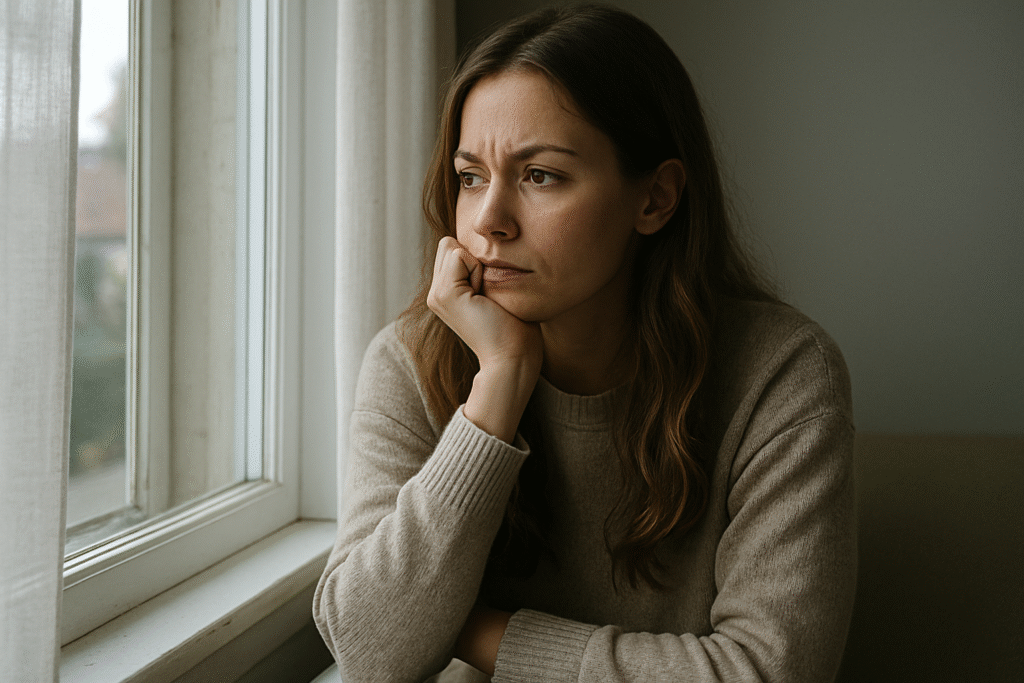
The Effects of Overthinking
Overthinking isn’t just a mental habit — it can affect every part of life:
- Mental health: Increased anxiety, lower mood, and a higher risk of depression.
- Physical health: Sleep issues, fatigue, muscle tension, and a weakened immune system.
- Daily life: Less productivity, procrastination, strained relationships, and less enjoyment of the present.
How to Stop Overthinking
The good news? Overthinking is a habit — and habits can be changed. Try these strategies:
- Notice the pattern: Pause and acknowledge, “I’m overthinking.”
- Practice mindfulness: Focus on breathing, meditation, or grounding yourself in the present moment.
- Journal your thoughts: Writing them down can help you gain perspective.
- Set decision limits: Use the “5-minute rule” for small decisions and set deadlines for big ones.
- Challenge your thoughts: Ask yourself, “Is this a fact, or just fear?”
- Shift your focus: Engage in exercise, creative outlets, or hobbies.
- Seek support: If overthinking feels overwhelming, a mental health professional can provide tools to break the cycle.
Frequently Asked Questions (FAQ)
Is overthinking a mental illness?
No. Overthinking is not a formal diagnosis, but it is often linked to anxiety, stress, and depression.
Can overthinking cause anxiety?
Yes. Overthinking fuels anxiety and creates a cycle where worry leads to more worry.
How do I stop overthinking at night?
Try journaling before bed, practicing relaxation techniques, or developing a calming nighttime routine.
Q1: Is overthinking bad for mental health?
Yes. While occasional reflection is normal, chronic overthinking can increase stress, fuel anxiety, and raise the risk of depression. It also affects sleep and focus, making it harder to enjoy daily life.
Q2: Can overthinking cause anxiety?
Yes. Overthinking and anxiety often go hand in hand. When your brain gets stuck in “what if” loops, it can trigger anxious thoughts, tension, and worry that feed back into more overthinking.
Q3: How do I stop overthinking at night?
To stop overthinking at night, try journaling before bed, creating a calming nighttime routine, or practicing mindfulness and deep breathing. These habits help quiet your mind and prepare your body for rest.
Q4: Why do I overthink everything?
Many people overthink because of perfectionism, fear of making mistakes, or high stress levels. Understanding your triggers is the first step to breaking the cycle of overthinking.
Q5: How do I stop overthinking decisions?
Decision paralysis is a common form of overthinking. To break it, set time limits for decision-making, write down the pros and cons, and remind yourself that “good enough” is often better than waiting for perfection.

Conclusion
In conclusion, the key to stopping overthinking lies in recognizing the signs and implementing changes. Remember that with practice and support, anyone can learn how to stop overthinking and achieve a more peaceful state of mind.
Everyone overthinks sometimes — but when it turns into a daily habit, it can prevent you from living fully. The first step is to recognize the signs. From there, small changes like journaling, mindfulness, or limiting decision time can help you break free from the loop. Remember: overthinking doesn’t define you. With practice and support, you can quiet your mind, regain focus, and find peace in your daily life.